Iftar and sehri in Pakistan: the traditional table, and how to plan it well
From the date that opens the fast to the paratha eaten before dawn, Ramzan has its own food. Here is the traditional iftar and sehri table in Pakistan, where each dish comes from, and how to plan a month of meals without waste.
In Pakistan the fast is opened at iftar with a date and water, followed by a spread that usually includes pakoray, samosay, fruit chaat, chana chaat, dahi baray and a cold sherbet, with dinner after the Maghrib prayer. Sehri, eaten before dawn, is a filling meal of parathas or roti with eggs or salan, dahi or lassi and tea, sometimes with pheni or khajla soaked in milk.
Ramzan reshapes the whole day around two meals, and each has foods that appear at no other time of year. This guide describes the traditional iftar and sehri table, explains where the customs come from, and offers practical advice on planning a month of meals that is generous without being wasteful.
The Ramzan table in short
- Iftar opens with a date and water, following the sunnah.
- Then: something fried, something fresh, something cool, something sweet.
- Sehri is a proper meal before dawn: bread, eggs or salan, dahi, tea.
- Pheni, khajla and jalebi in milk are Ramzan specialities.
- Planning quantities is the best way to avoid heaviness and waste.
Opening the fast
When the call to prayer sounds at sunset, the first thing to pass the lips is a date. This follows the practice of the Prophet Muhammad, peace be upon him, who broke his fast with fresh or dried dates, or with a few sips of water when there were none. Muslims across the world have done the same ever since.
After the date comes water. Then, in most homes, a brief pause for the Maghrib prayer, and then the meal. Some families eat the snacks first and pray afterwards. Either way, the opening is gentle and deliberate: a date, water, a moment of thanks.
Dates for iftar
Pakistan is one of the world’s large date growers, and Ramzan is when most households buy them. You do not need an expensive imported variety.
- Mozawati and Begum Jangi, from Balochistan, are soft, dark and rich.
- Aseel, from Khairpur in Sindh, is the affordable everyday date.
- Dhakki, from Dera Ismail Khan, is large, firm and good for stuffing.
- Ajwa, Sukkari, Mabroom and Medjool are popular imports.
A plate of dates, perhaps some stuffed with an almond or a walnut, is the centre of the iftar table. For a full guide to choosing and storing them, see dates in Pakistan: the main kinds.
The traditional iftar table
| Dish | What it is |
|---|---|
| Pakoray | Sliced potato, onion, spinach, aubergine or green chilli dipped in spiced gram flour batter and deep-fried |
| Samosay | Fried pastries filled with spiced potato, keema or chicken |
| Fruit chaat | Chopped seasonal fruit with sugar, lemon and chaat masala; sometimes with cream |
| Chana chaat | Boiled chickpeas with onion, tomato, green chilli, tamarind and spices |
| Dahi baray (dahi bhallay) | Soft lentil dumplings soaked in sweet and savoury dahi, with chutneys |
| Spring rolls, cutlets, kachori | Fried savouries, home-made or bought |
| Dahi phulki | Small gram flour dumplings in spiced dahi |
| Jalebi | Hot from the halwai, often eaten with milk |
| Rooh afza, lemon water, lassi, milkshakes | The cold drinks of iftar |
There are regional favourites too. In Karachi, bun kababs and haleem are common at iftar. In Peshawar and across Khyber Pakhtunkhwa, kahwa follows the meal. In Lahore, the food streets fill before sunset with stalls selling pakoray by the kilo. In interior Sindh, thadal, a cooling drink of ground nuts and seeds, has long been made in summer Ramzans.
The drinks
Nothing says iftar in Pakistan quite like a jug of red rooh afza, a rose-flavoured syrup stirred into cold water or milk. Alongside it you will find lemon water (nimbu pani), tukh malanga, basil seeds soaked until they swell, added to sherbets, sweet or salted lassi, and date or mango milkshakes.
Dinner after iftar
In many homes the snacks are the main event and dinner is light or skipped. In others, a full meal follows the prayer: a salan with roti, daal chawal, biryani or pulao on special evenings, and something sweet such as kheer or firni to finish. We have compared those desserts in kheer, firni and sheer khurma.
After Taraweeh prayers, tea is the rule, and in the old cities people go out late for chai, doodh jalebi or a plate of something from a favourite stall.
Sehri: the meal before dawn
Sehri, also called sahoor, is eaten in the last hour of the night, finishing before the Fajr call to prayer. It has to carry a person through the day, so it is traditionally substantial.
| Food | Notes |
|---|---|
| Paratha or roti | Often made fresh, with desi ghee |
| Eggs | Omelette, fried, or anda bhurji |
| Leftover salan or keema | From the evening before |
| Dahi and lassi | A bowl of dahi, sometimes with sugar, or a glass of lassi |
| Pheni | Fine, crisp, pre-fried vermicelli nests, softened in warm sweetened milk |
| Khajla | A flaky, deep-fried round pastry, also soaked in milk |
| Jalebi with milk | Doodh jalebi, a traditional sehri in parts of Punjab |
| Dates and fruit | A few dates, a banana |
| Tea | Doodh patti to finish |
Pheni and khajla are true Ramzan foods. Bakeries and sweet shops stack them high for one month and then they vanish again. In the old neighbourhoods of Lahore, Karachi and Hyderabad, sehri is also a time for eating out: nihari, paye, halwa puri and chanay are served from two in the morning. Those dishes are described in the traditional Pakistani breakfast.
Simpler sehri ideas
Not everyone wants a paratha at four in the morning. Lighter options that many families use:
- Dahi with a banana and a few dates.
- Porridge of oats or daliya with milk, dates and nuts. See types of oats.
- Boiled eggs with a slice of bread and tea.
- Thick dahi with fruit and a handful of granola. Ideas are in ten ways to eat granola.
- A date and milk shake with a paratha roll.
- Leftover daal or chanay with roti.
Planning the month
The first week of Ramzan is often a burst of cooking and the last week a struggle. A little planning evens it out.
Shop before the month begins
- Dates, besan, chickpeas, lentils for dahi baray, spices, oil, rooh afza, tea.
- Dry fruit for sheer khurma and for Eid. Buy early; prices rise as Eid approaches. Our dry fruit buying guide may help.
- Store everything properly. See how to store nuts and dry fruit.
Prepare ahead and freeze
- Samosay, spring rolls, cutlets and kababs can be shaped and frozen raw, then fried from frozen.
- Boil and freeze chickpeas in portions.
- Make chutneys, imli and green, in jars.
- Soak and grind lentils for baray in batches.
Decide the pattern
You do not need everything every day. A simple rule many households follow: one fried item, one chaat, fruit, dates and a drink. Rotate the fried item and the chaat through the week.
| Day | Fried | Fresh | Drink |
|---|---|---|---|
| 1 | Aloo pakoray | Fruit chaat | Rooh afza |
| 2 | Samosay | Chana chaat | Lemon water |
| 3 | None | Dahi baray, fruit | Lassi |
| 4 | Spring rolls | Fruit chaat | Date shake |
| 5 | Palak pakoray | Chana chaat | Rooh afza with milk |
A lighter table
Many people feel sluggish after iftar and decide each year to do it differently. Small changes help, and none of them takes away from the pleasure of the meal.
- Fry in smaller batches. A plate, not a platter.
- Give fruit, chanay and dahi more room on the table.
- Bake or shallow-fry some items.
- Serve water and unsweetened drinks alongside the sherbet.
- Eat the date and water, pray, and then eat. The pause makes it easier to stop when you are full.
- Keep dinner simple on days when the iftar spread was large.
We offer these as common-sense household habits, not as medical advice. People with diabetes or other health conditions should plan their fasting and their meals with their own doctor.
Sharing, and wasting less
Ramzan is a month of generosity. Plates of iftar go to neighbours, to the mosque, to the watchman and the driver, and to people breaking their fast on the street. It is one of the loveliest customs we have.
It is also, sadly, a month in which a great deal of food is thrown away, because we cook for more people than are at the table. A few habits help.
- Count heads before you cook.
- Send extra food out the same evening, while it is fresh, not the next day.
- Plan leftovers into sehri.
- If you host an iftar party, ask guests to confirm, and cook for the number who did.
- Give food that keeps: dates, dry rations, fruit.
Gifts and Eid
Towards the end of the month, thoughts turn to Eid: sheer khurma on Eid morning, and boxes of sweets, dates and dry fruit sent to family and friends. If you are sending food by courier, order early, because delivery networks are stretched in the last days of Ramzan. There is practical advice in how to choose and send food as a gift in Pakistan.
Our own jars are made after you order, so they need a few extra days. If you would like them for Eid, order well ahead and write the date in the order notes.
A simple iftar for a working family
Not every household has two hours before sunset. This spread takes about thirty minutes if a few things were prepared at the weekend.
- Dates and water on the table.
- Fruit chaat: chop three kinds of fruit, add lemon, a little sugar and chaat masala. Ten minutes.
- Chana chaat: boiled chickpeas from the freezer, with onion, tomato and chutney. Five minutes.
- One fried item: samosay or cutlets from the freezer, fried while the chaat is being made. Ten minutes.
- A jug of lemon water or rooh afza.
- Dinner: last night’s salan with fresh roti, or daal chawal.
Hosting an iftar
- Invite a number you can seat and serve. A smaller gathering done calmly is kinder to everyone, including the cook.
- Lay the table before sunset. Dates, water and drinks should be within reach of every guest when the azan sounds.
- Keep fried food for last. Fry in the final fifteen minutes so it arrives hot and crisp.
- Offer something for every guest. Ask ahead about allergies and about anyone who avoids sugar or fried food.
- Make space for prayer. A clean corner and prayer mats ready.
- Send food home. Have boxes ready so that leftovers leave with guests or go to someone who needs them that same night.
Words you will hear
- Iftar or iftari: the meal that opens the fast at sunset.
- Sehri or sahoor: the meal before dawn.
- Rooh afza: a red, rose-flavoured syrup for cold drinks.
- Tukh malanga: basil seeds that swell in water.
- Pheni and khajla: crisp fried sehri foods softened in milk.
The table and the month
The foods of Ramzan matter because of what surrounds them: the family gathered and waiting, the plate carried next door, the quiet of sehri while the street sleeps. A date and a glass of water are enough to open a fast. Everything else is hospitality.
Plan the month a little, cook what will be eaten, and share the rest.
Common questions
What is traditionally eaten at iftar in Pakistan?
The fast is opened with a date and water. The table usually includes pakoray, samosay, fruit chaat, chana chaat, dahi baray and a cold drink such as rooh afza or lemon water, followed by dinner after Maghrib prayers.
What is eaten at sehri?
A filling meal before dawn: parathas or roti with eggs, leftover salan, dahi or lassi, and tea. Pheni and khajla soaked in milk are traditional Ramzan sehri foods.
Why is the fast opened with a date?
It follows the practice of the Prophet Muhammad, peace be upon him, who would break his fast with dates, or with water if dates were not available. It is a sunnah followed by Muslims everywhere.
What are pheni and khajla?
Pheni is very fine, crisp, pre-fried vermicelli sold in nests. Khajla is a round, flaky, deep-fried pastry. Both are softened in warm sweetened milk and eaten at sehri, and both appear in bakeries mainly in Ramzan.
How can I make iftar less heavy?
Fry less and in smaller amounts, serve more fruit and chanay, make one fried item instead of three, and keep dinner simple. Planning quantities ahead also reduces waste.
Which dates are best for iftar?
Any soft date you enjoy. Pakistani varieties such as Mozawati, Begum Jangi and soft Aseel are excellent, as are imported Ajwa and Medjool.
How can I reduce food waste in Ramzan?
Cook for the number of people actually at the table, plan the week, use leftovers at sehri, and share extra food with neighbours or people in need the same evening.
This article is general information about food. It is not medical advice.
Share
Send on WhatsAppKeep reading.

Pinni and panjiri: what is the difference?
Pinni and panjiri start the same way: flour roasted slowly in desi ghee with nuts. Then they part. One is bound and shaped, the other is left as a loose crumble. Here is the full comparison.
Read the article
Winter foods of Punjab: what our elders made, and why
From sarson ka saag at lunch to peanuts in the afternoon sun and pinni at night, Punjab eats differently in winter. Here is the traditional cold-weather table, and the practical reasons behind it.
Read the article
Kheer, firni and sheer khurma: what is the difference?
All three are milk cooked down with something to thicken it, sweetened and scented with cardamom. Kheer uses whole rice, firni ground rice, and sheer khurma vermicelli and dates. Here is the full comparison.
Read the articleFrom our kitchen.
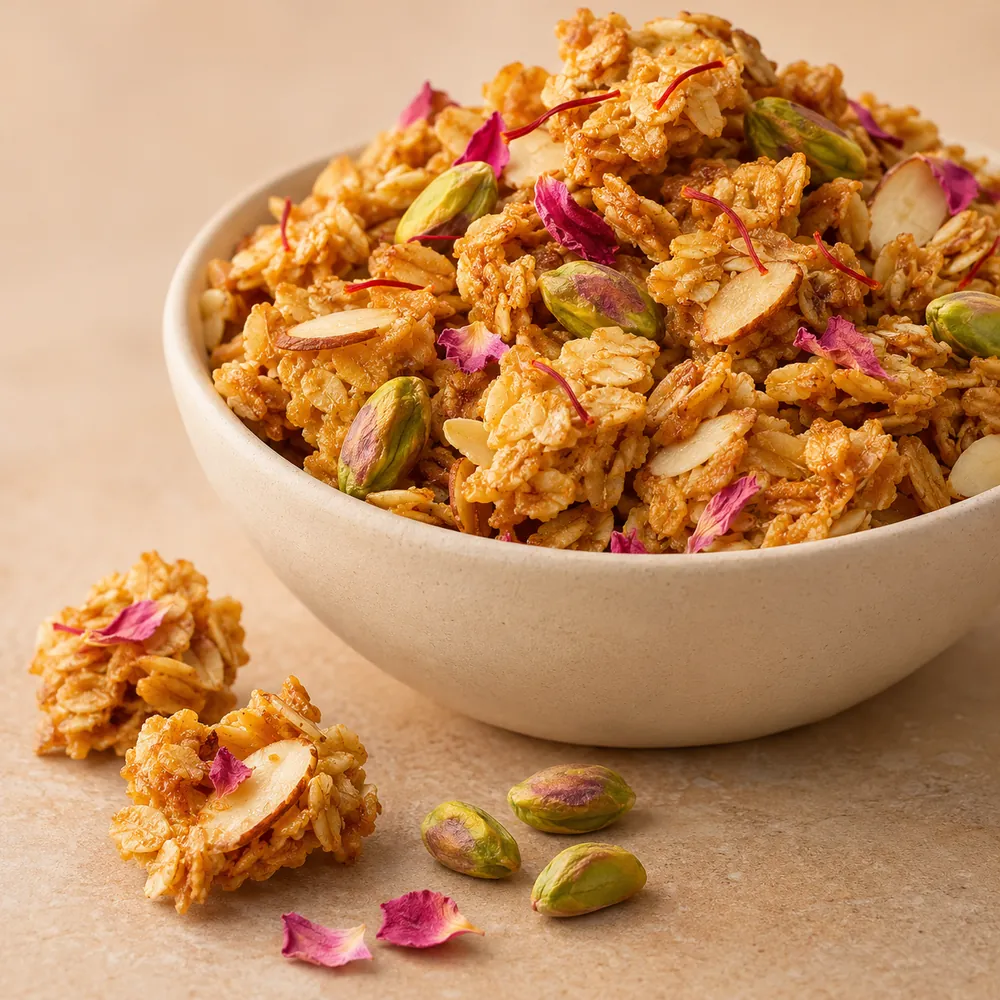
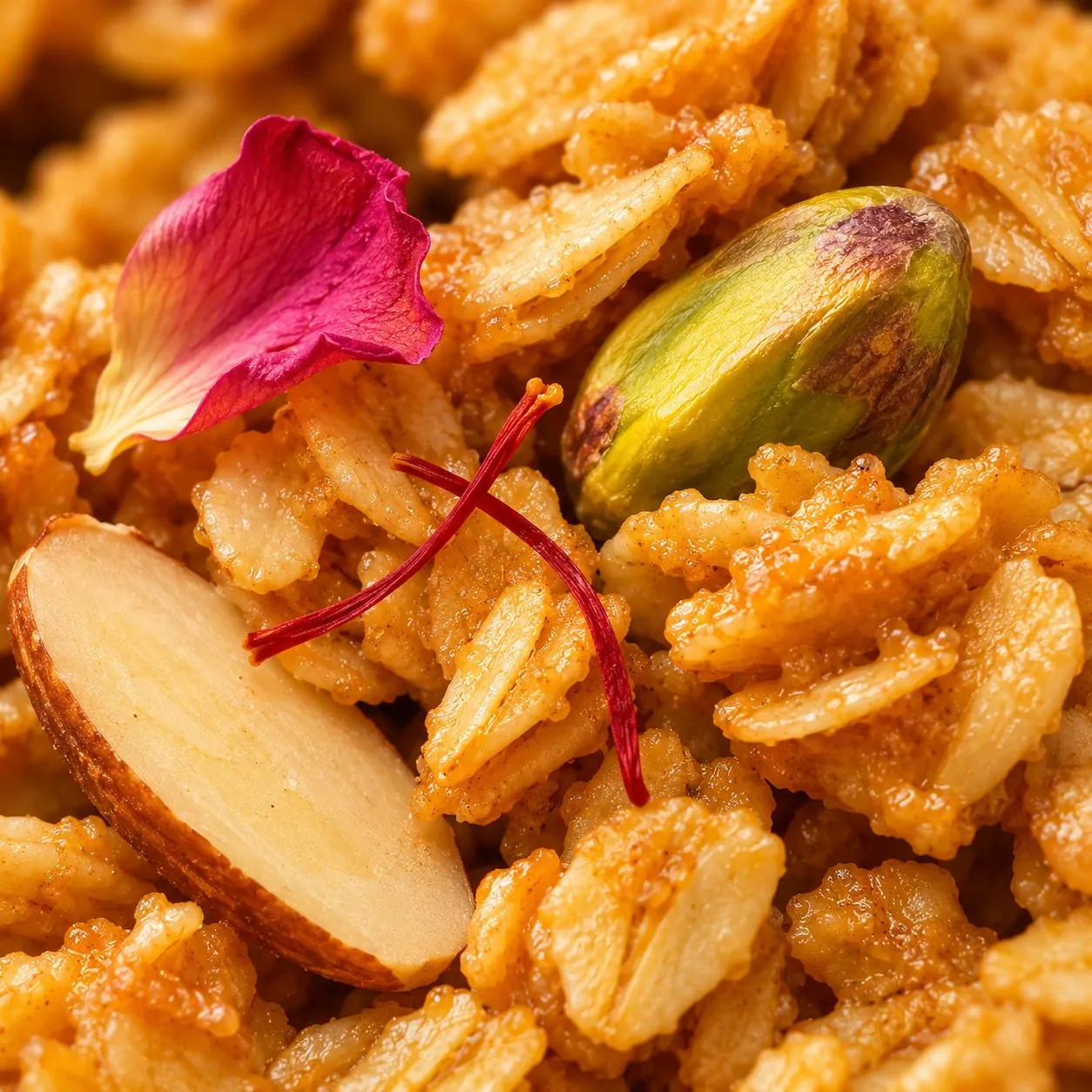
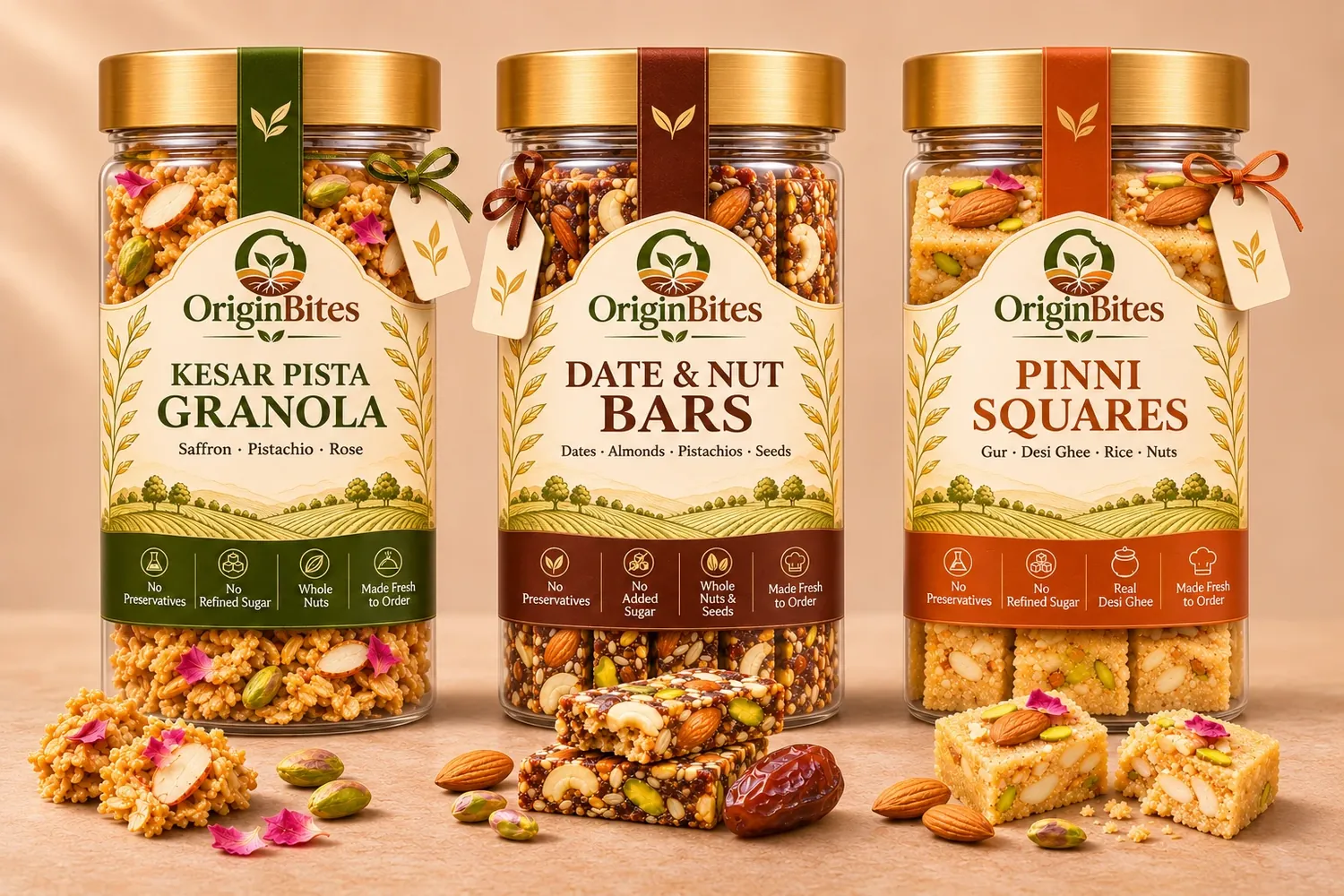
Kesar Pista Granola
Big clusters, not loose oats. Whole pistachios and sliced almonds.


Pinni Squares
Roasted in real desi ghee. Gur, not white sugar.
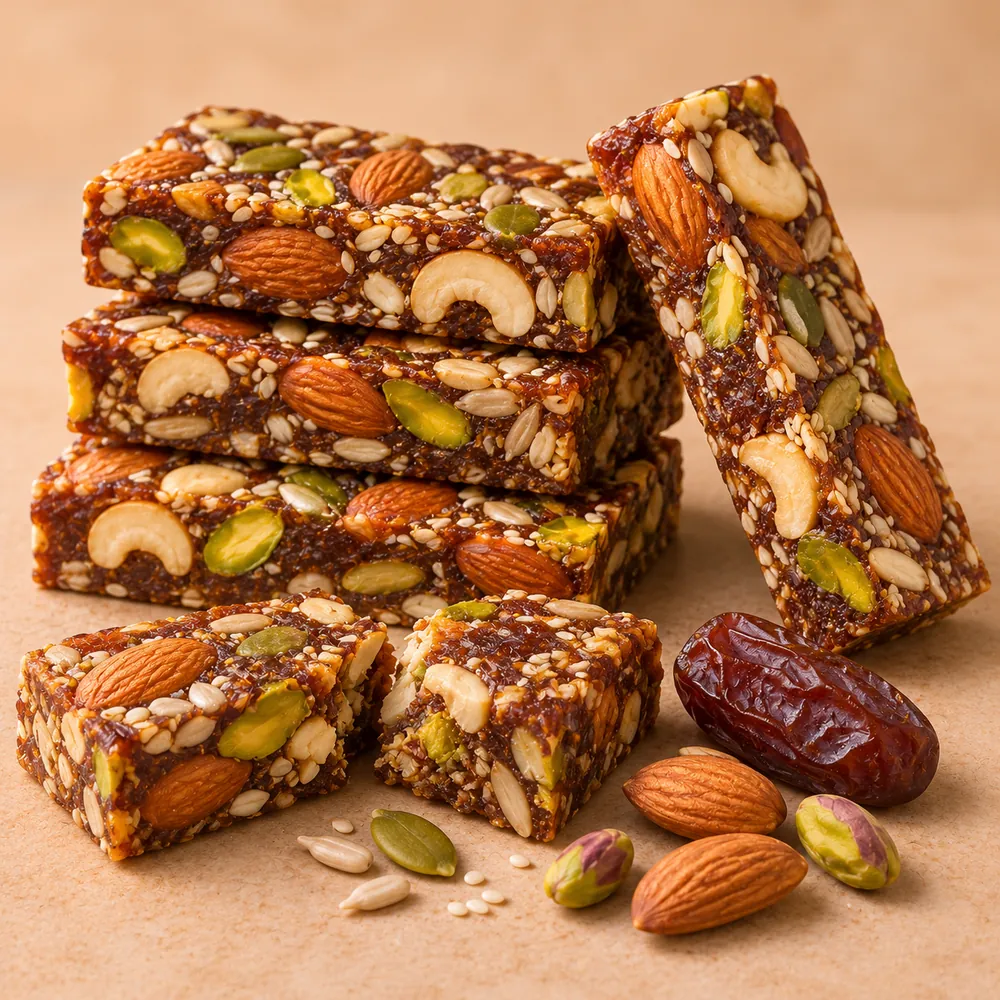
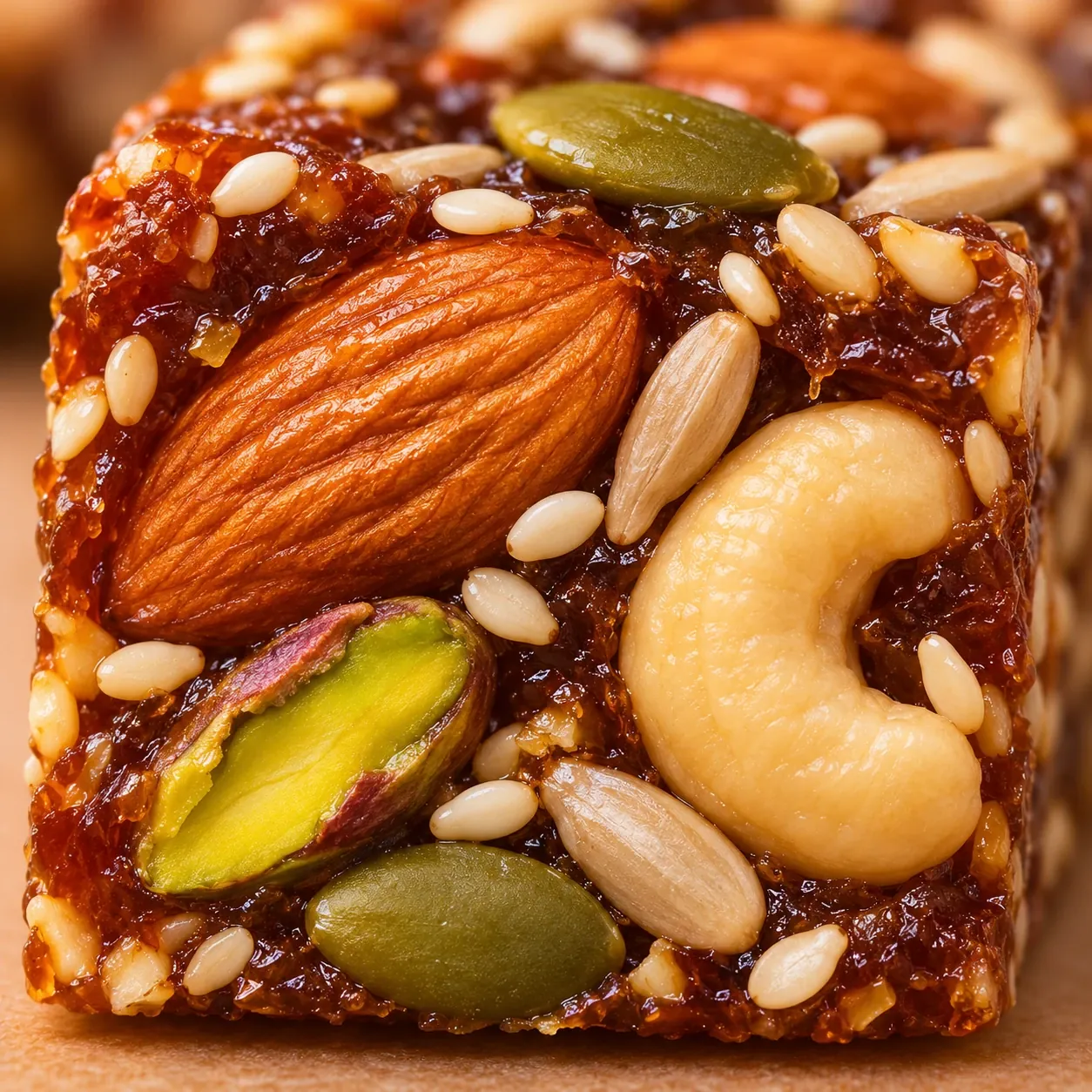
Date & Nut Bars
Held together by dates alone. Whole nuts you can see.