How to store nuts and dry fruit at home so they stay fresh
Nuts go stale because of heat, light, air and damp. Here is how to keep almonds, pistachios, walnuts, cashews and dates fresh through a Pakistani summer and monsoon, and how to tell when they have turned.
To keep nuts and dry fruit fresh, store them in airtight containers in a cool, dark, dry place, and move anything you will not eat within a few weeks to the fridge or freezer. The four things that spoil them are heat, light, air and damp. Take those away and good dry fruit stays good for a long time.
That is easy to say and harder to do in a Pakistani kitchen, where summer afternoons are fierce and the monsoon fills the air with water. Dry fruit is expensive, and most of us have at some point opened a jar of walnuts bought in winter to find them bitter by June. This guide explains why that happens and exactly how to prevent it.
Storing nuts in short
- Airtight, cool, dark and dry. Those four words cover most of it.
- Glass jars or steel tins with tight lids beat plastic bags.
- Walnuts, pine nuts and pistachios spoil fastest. Refrigerate them.
- The freezer is the best long-term store for all nuts.
- Rancid nuts smell like paint and taste bitter. Do not eat them.
Why nuts go bad
Nuts are full of natural oils. That is why they taste rich. It is also their weakness, because those oils react with oxygen in the air. The reaction is slow in the cold and dark and fast in heat and light. As it goes on, the oils break down into compounds that smell and taste unpleasant. This is called rancidity.
A rancid nut is not rotten in the usual sense. It may look perfect. But it smells of old oil, putty or paint, and it tastes sharp and bitter at the back of the throat.
The four enemies
- Heat. Every rise in temperature speeds up rancidity. A jar on a shelf above the stove, or in a cupboard on a sun-facing wall, ages many times faster than one kept cool.
- Light. Sunlight and even bright kitchen light drive the same reaction. Clear jars on an open counter look lovely and shorten the life of what is inside.
- Air. Oxygen is what the oils react with. The more air in the container, and the more often it is opened, the faster nuts turn.
- Damp. Moisture makes nuts soft and leathery and lets mould grow. This is the great problem of July and August.
There is a fifth: insects. Pantry moths and small beetles love dry fruit. And a sixth, less obvious: smells. Nuts absorb odours from spices, onions and anything else stored nearby.
Start with fresh stock
No storage method can rescue nuts that were already old when you bought them. Before anything goes into a jar:
- Buy from a shop with fast turnover, where stock does not sit for months.
- Buy new-crop nuts when they arrive, usually from autumn into winter.
- Smell and taste before you buy in quantity. Any decent dry fruit seller expects this.
- Avoid nuts displayed in open sacks in direct sun or beside a dusty road.
- Buy amounts you will actually use. A smaller, fresher quantity is better value than a large bargain that goes stale.
We cover what to look for, nut by nut, in our buyer’s guide to dry fruit.
The right containers
| Container | Good for | Watch out for |
|---|---|---|
| Glass jar with a tight lid | Everyday storage; does not hold smells; easy to see what is left | Keep it in a dark cupboard, not on the counter |
| Stainless steel tin | Blocks light completely; traditional and durable | Lid must close firmly |
| Thick zip-lock or vacuum bags | Fridge and freezer; pressing out the air | Thin bags let air and smells through |
| Food-grade plastic boxes | Fridge storage | Can hold smells from earlier contents |
| The paper or thin plastic bag from the shop | Carrying them home | Not for storage |
Whatever you use, fill it. A jar that is nearly full has less air in it than one that is nearly empty. As you use nuts up, move what is left to a smaller jar.
Where to keep them
In the cupboard
For nuts you will finish within a few weeks, an airtight jar in a cool, dark cupboard is fine for most of the year. Choose a cupboard away from the stove, the oven, the fridge’s warm back and any outside wall that gets the afternoon sun. In a Lahore or Multan summer, “room temperature” is simply too hot, and the fridge becomes the sensible place for everything.
In the fridge
The fridge slows rancidity a great deal. It is the right home for walnuts, pine nuts, pistachios and any shelled nuts you want to keep for a few months. Two rules matter:
- The container must be truly airtight. Fridges are humid and full of smells.
- Take out what you need and close the jar again quickly. Do not leave it sitting open on the counter.
In the freezer
The freezer is the best long-term store there is. Nuts contain very little water, so they do not freeze into a block and their texture is not harmed. Pack them in airtight bags with the air pressed out, in portions you will use. When you take a bag out, let it warm up before opening it. Otherwise moisture from the air settles on the cold nuts.
This is how to buy a year’s almonds or walnuts at harvest time and still enjoy them the following summer.
Nut by nut
| Item | How fast it spoils | Best kept |
|---|---|---|
| Almonds (badam) | Slowly; the skin protects them | Cupboard for weeks; fridge for months |
| Pistachios (pista) | Fairly quickly once shelled; lose crunch in damp | Fridge, airtight |
| Cashews (kaju) | Moderately; go soft in humidity | Cupboard in cool months; fridge in summer |
| Walnuts (akhrot) | Fast, especially shelled halves | Fridge or freezer always |
| Pine nuts (chilgoza) | Very fast once shelled | In the shell if possible; fridge or freezer |
| Peanuts (moong phali) | Moderately; prone to mould if damp | Dry, airtight; discard any that look mouldy |
| Raisins (kishmish), apricots (khubani) | Dry out or go sticky; attract insects | Airtight; fridge in summer |
| Dates (khajoor) | Soft kinds can ferment | Airtight; soft dates in the fridge |
| Chuhara, dried coconut | Slowly if dry; coconut turns rancid in heat | Airtight tin; coconut in the fridge |
For more on dates in particular, see dates in Pakistan: the main kinds.
Whole, shelled, chopped, roasted
The more a nut has been processed, the shorter its life.
- In the shell lasts longest. The shell is nature’s airtight, lightproof pack.
- Shelled, whole and raw comes next.
- Chopped, sliced or ground nuts have far more surface exposed to air and go stale quickly. Chop or grind only what you need.
- Roasted and salted nuts taste wonderful and keep for less time than raw ones, because roasting starts to break down the oils.
A good habit is to store nuts raw and whole, and roast or chop a small amount when you want it. Five minutes in a dry pan over low heat brings out more flavour than any shop-roasted packet.
Surviving the monsoon
From July to September the air itself is wet, and this is when most dry fruit is lost.
- Move everything to the fridge before the rains begin.
- Never return damp nuts to a jar. If they have been out in humid air, dry them briefly in a low oven or a dry pan and let them cool fully first.
- Put a small food-safe drying sachet in each jar, or a little muslin bag of dry rice, to take up stray moisture.
- Open jars as little as possible, and never with wet hands or a wet spoon.
- Check your stock every week or two. One mouldy piece spoils the rest.
Keeping insects out
- Inspect before you store. Look for webbing, clumps, fine dust and small holes.
- Freeze new purchases for a few days. This deals with any eggs that came from the shop.
- Use containers that genuinely seal. Moths get through folded bags with ease.
- Keep shelves clean. Crumbs and spills feed the next generation.
- Dried neem leaves, bay leaves or a few whole cloves in the cupboard are traditional deterrents. Keep them outside the jars so they do not flavour the nuts.
If you find insects in one jar, throw that jar’s contents away, wash it in hot water and check everything stored near it.
How to tell they have turned
- Smell. Fresh nuts smell mild, sweet and nutty. Rancid ones smell of old cooking oil, paint, putty or wet cardboard.
- Taste. One nut is enough. Bitterness and a sharp, catching feeling in the throat mean rancid.
- Look. Darkened, shrivelled or oily-looking nuts are old. Fuzzy growth of any colour is mould.
- Feel. Nuts should be crisp. Bendy or rubbery nuts have taken on moisture.
Soft but sweet-smelling nuts can be revived by drying them in a low oven. Rancid nuts cannot be fixed by roasting, and nuts with mould must be thrown away. Mould on nuts and peanuts is not something to cut around.
The same rules for food made with nuts
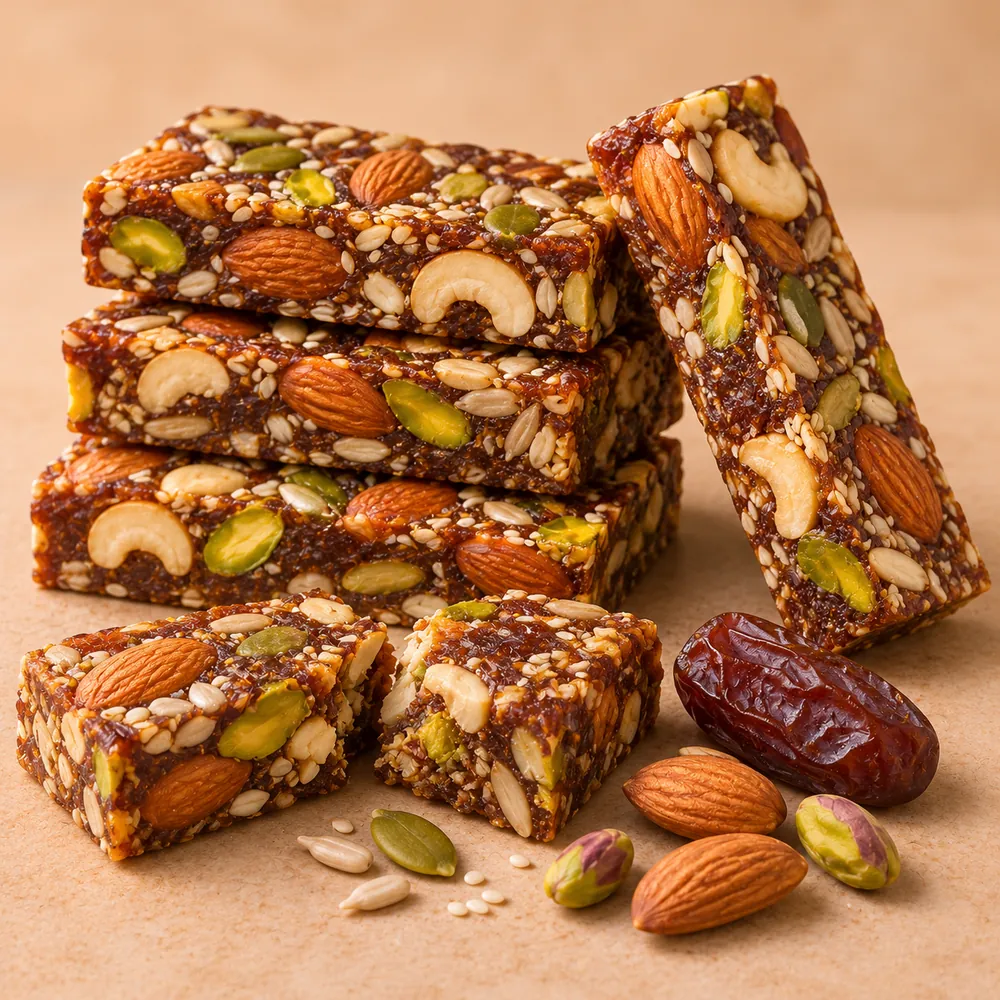
Anything made mostly of nuts behaves like nuts. Pinni, panjiri, granola and date bars all keep best in an airtight container, in a cool, dry place, away from sunlight and the stove, opened with dry hands.
That is exactly what we print on our own jars. We also make every batch of Kesar Pista Granola, Pinni Squares and Date & Nut Bars only after an order arrives, and write the making date on the label, so that what reaches you has not been sitting anywhere. The reasoning is in why food made to order is different.
Common storage mistakes
- Keeping jars on the counter because they look nice. Light and warmth are quietly ruining them.
- Storing dry fruit in the cupboard above the stove. It is the warmest place in the kitchen.
- Leaving nuts in the shop’s bag. Thin plastic and paper let in air, damp and insects.
- Topping up an old jar with new stock. The stale nuts at the bottom taint the fresh ones. Finish, wash, dry, then refill.
- Buying a year’s supply and keeping it all at room temperature. Keep a little out; chill or freeze the rest.
- Opening a cold jar straight from the freezer. Water forms on the nuts at once. Let it warm up first.
- Roasting to “fix” bitter nuts. Roasting cannot undo rancidity.
A simple routine
- Buy fresh, in sensible amounts.
- Check, then freeze for a few days.
- Keep a small jar of each kind in the cupboard for daily use.
- Keep the rest in the fridge or freezer, airtight.
- Refill the small jars as needed, and sniff before you pour.
It takes ten minutes when you bring the shopping home, and it means the last almond in the jar tastes as good as the first.
Common questions
Should dry fruits be kept in the fridge?
For anything you will not finish within a few weeks, yes, especially in summer. Keep them in an airtight container so they do not pick up moisture or smells. Walnuts and pine nuts benefit most.
Can I freeze nuts?
Yes. Nuts freeze very well in airtight bags or boxes and keep their taste for many months. Let the container come to room temperature before opening it, so water does not form on the nuts.
How do I know if nuts have gone bad?
Smell and taste. Rancid nuts smell like old oil, paint or putty and taste bitter and sharp. Also look for mould, webbing, small holes or insects. If in doubt, throw them out.
Why do walnuts go off faster than almonds?
Walnuts contain more of the delicate kinds of fat that react quickly with air, and they have more exposed surface when shelled. Almonds, with their tight brown skin, last longer.
Is it better to buy nuts in the shell?
Nuts in the shell keep longer, because the shell protects them from air and light. They take more effort to use, so many people keep some of each.
How do I stop insects getting into dry fruit?
Buy from a clean source, check before storing, and use containers that seal properly. A few days in the freezer when you bring them home deals with any eggs. Dried neem leaves or a few cloves in the cupboard are traditional deterrents.
Can I store different dry fruits together?
It is better to keep them separate. Soft fruit such as dates and raisins gives off moisture that makes nuts soft, and strong-smelling items pass on their smell.
This article is general information about food. It is not medical advice.
Share
Send on WhatsAppKeep reading.
Date and nut bars: what goes in them and how to make them at home
A date and nut bar is soft dates pressed around nuts and seeds, with nothing else needed to hold it together. Here is how it works, which Pakistani dates to use, and a simple recipe for home.
Read the article
Ten ways to eat granola that are not a bowl of milk
Granola is not only for a bowl of cold milk. Here are ten ways to eat it that suit a Pakistani kitchen, from thick dahi and seasonal fruit to kheer, lassi and a paratha roll, with tips to keep the crunch.
Read the article
Edible gifts: how to choose and send food as a gift in Pakistan
We rarely visit anyone empty-handed, and food is the gift most often carried. Here is how to choose an edible gift that suits the person and the occasion, travels safely, and arrives in good condition.
Read the articleFrom our kitchen.
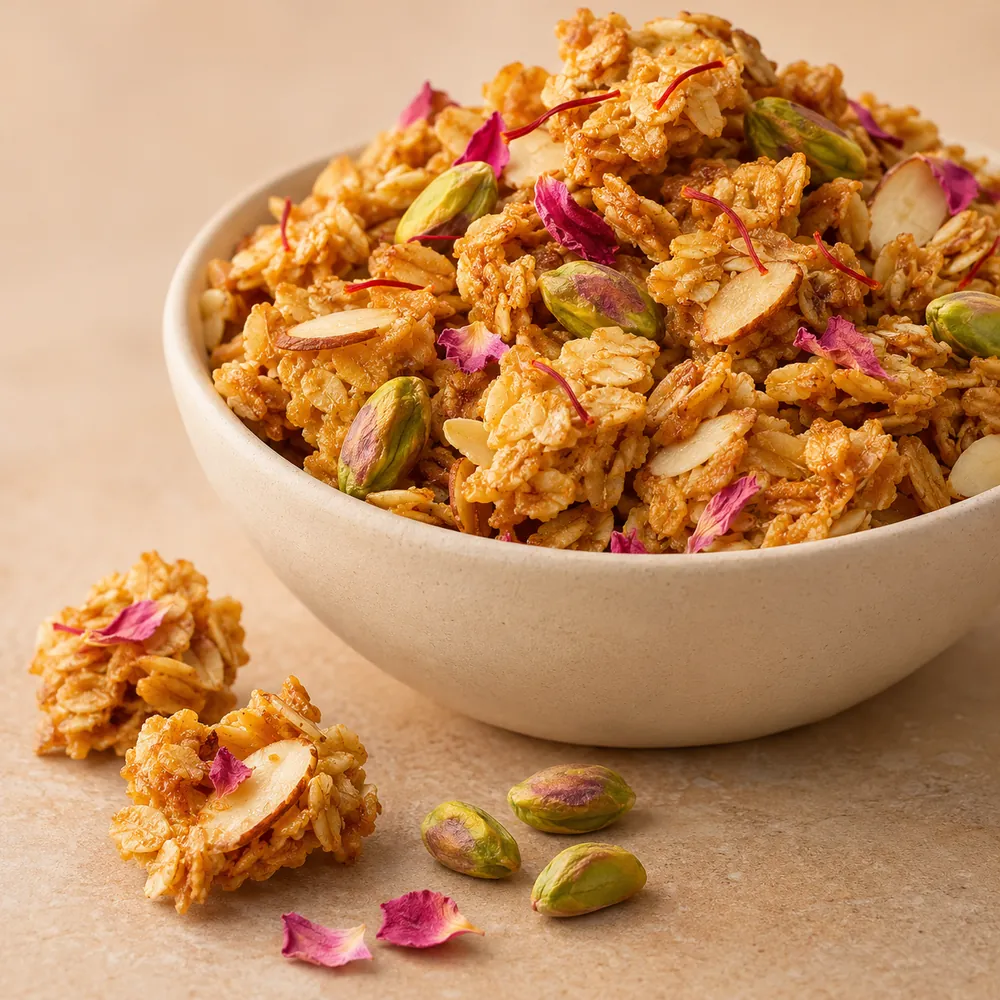
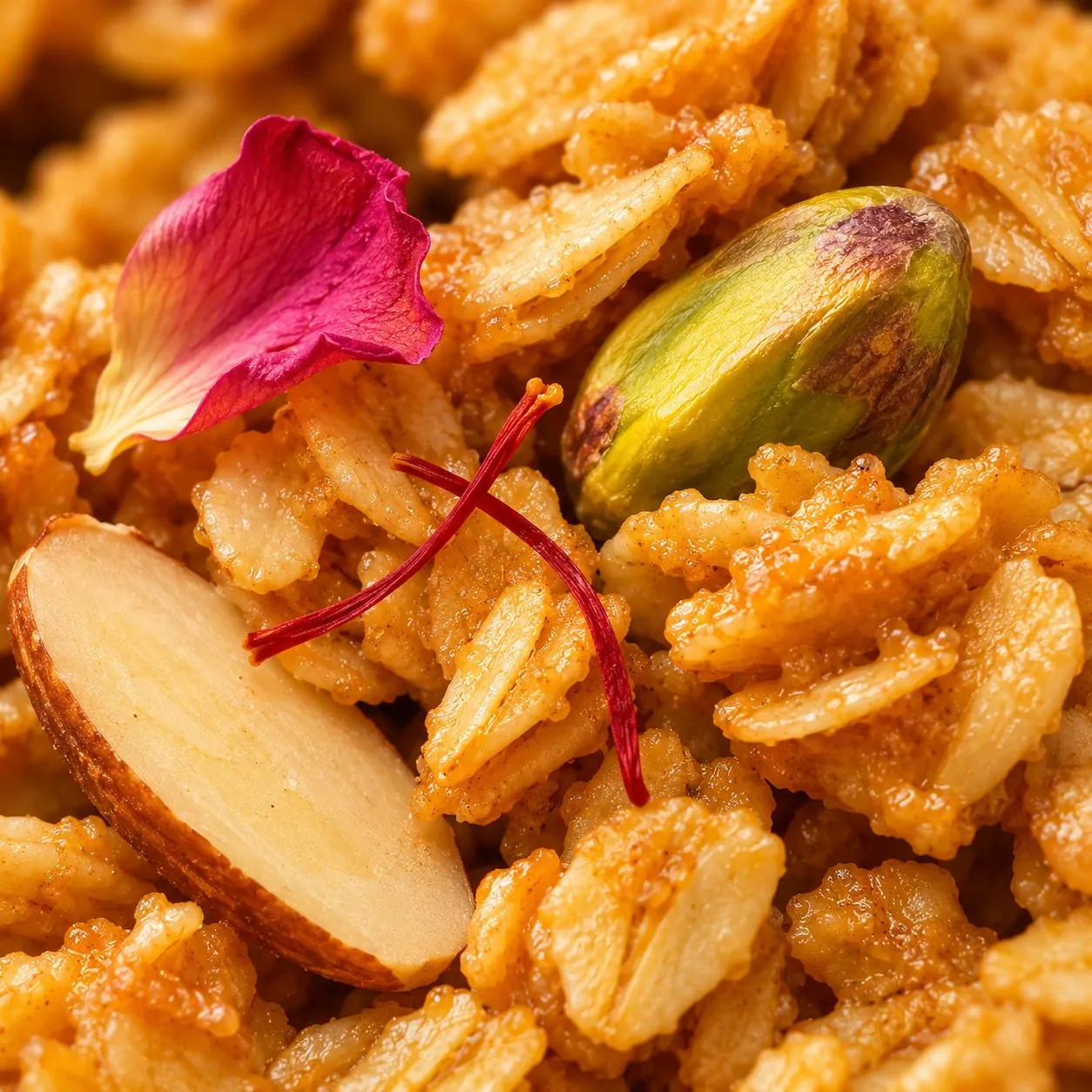
Kesar Pista Granola
Big clusters, not loose oats. Whole pistachios and sliced almonds.


Pinni Squares
Roasted in real desi ghee. Gur, not white sugar.
Date & Nut Bars
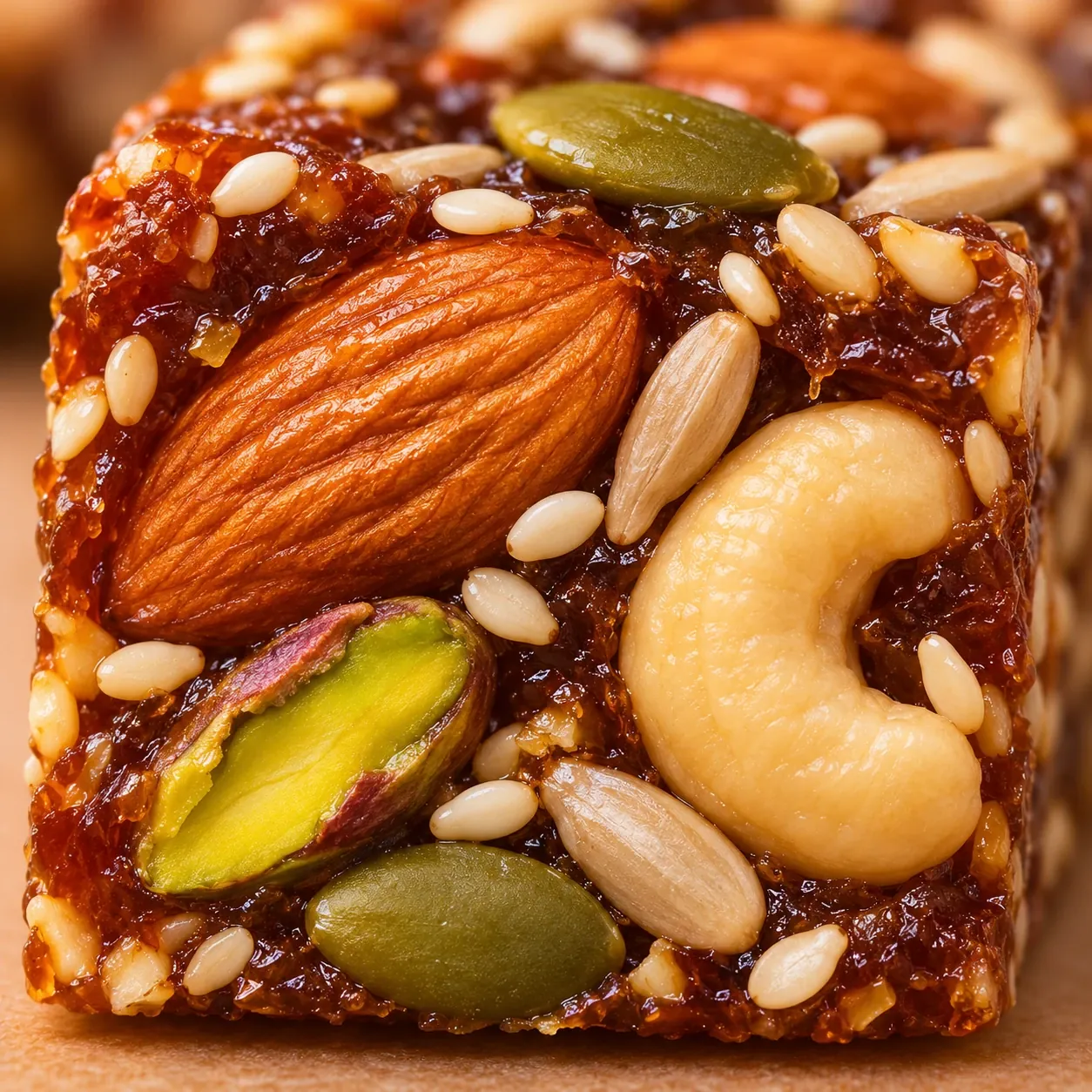
Held together by dates alone. Whole nuts you can see.